
Blog · Samantha Waldman, LMHC
Notes on Therapy, Identity, and Healing
Practical, warm writing on the things that come up in the therapy room: family expectations, codependency, boundaries, and the search for belonging. Take what helps, at your own pace.

How to Stop People Pleasing: Three Steps a Therapist Uses
Your mom calls. She needs help with the same thing you have shown her how to do four times already. You are tired, you had plans, and before you have checked with yourself you hear your own voice say, "Sure, I'll come over."
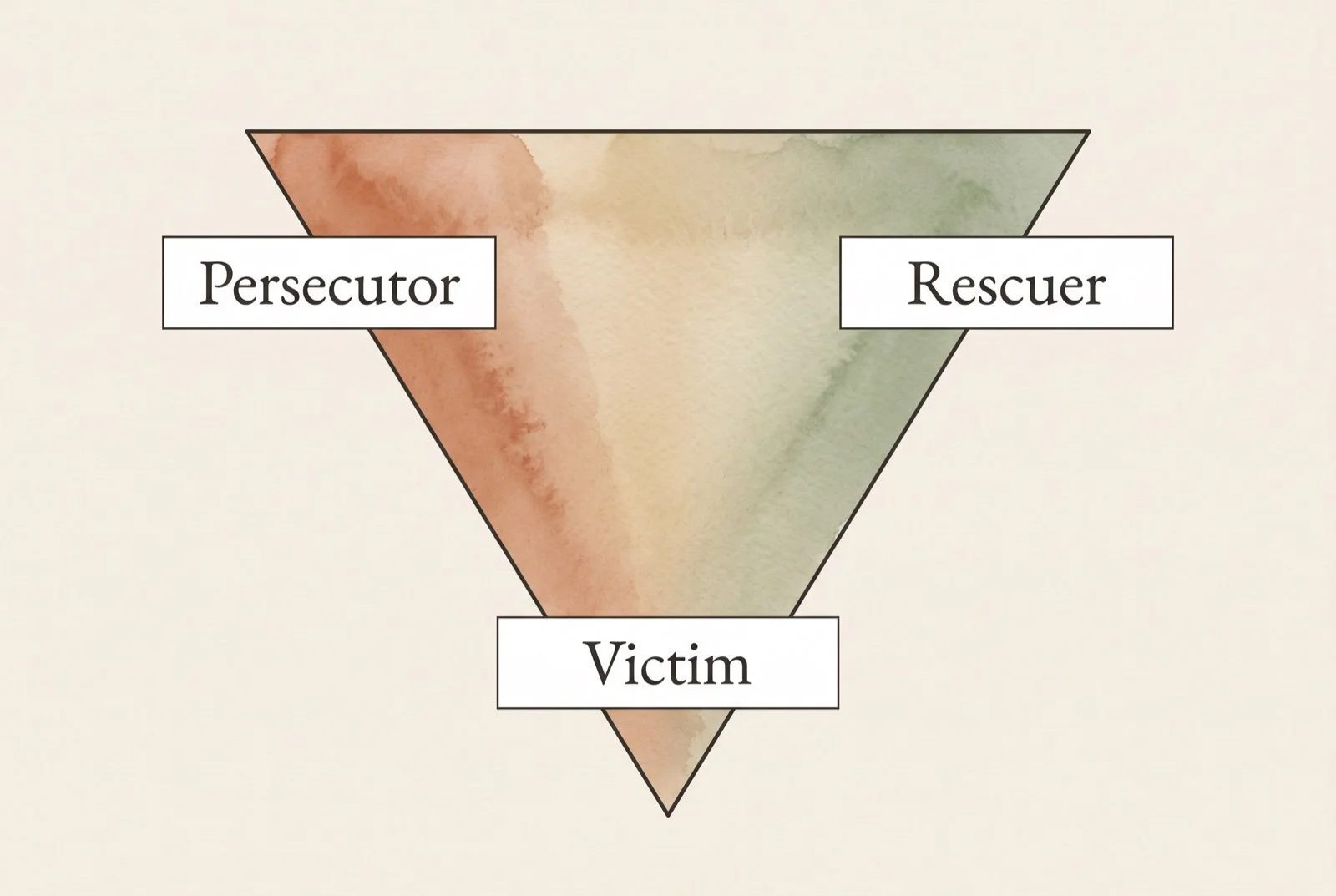
The Drama Triangle: Victim, Persecutor, Rescuer, and How to Step Out
You call your mom to mention one small thing, and twenty minutes later you are apologizing for something you never did. You both hang up feeling misunderstood, and neither of you is quite sure how it happened. If your family conversations keep going in circles like this, the drama triangle can help explain why.

The Transracial Adoptee Experience: There Is No One Story
If you are a transracial adoptee, you have probably had the experience of reading something about adoption and thinking, that is not quite it. Either it was far too sad, or it skipped the hard parts entirely, or it described a version of the experience that belongs to somebody else.

Coping Ahead: The DBT Skill for a Situation You Are Dreading
There is a particular kind of dread that shows up days before something hard. A conversation you have been putting off, a family dinner, a medical appointment, a first day. You already know roughly how it might go wrong, and that knowledge sits in your chest and does very little except make you want to avoid the whole thing.

Sand Tray Therapy for Adults: What Sandplay Is and Why It Works
Sand tray therapy for adults tends to raise an eyebrow. A tray of sand, shelves of small figures, and an invitation to build something without explaining why. It sounds like something for children, and most adults in New York are fairly sure they have outgrown play.